
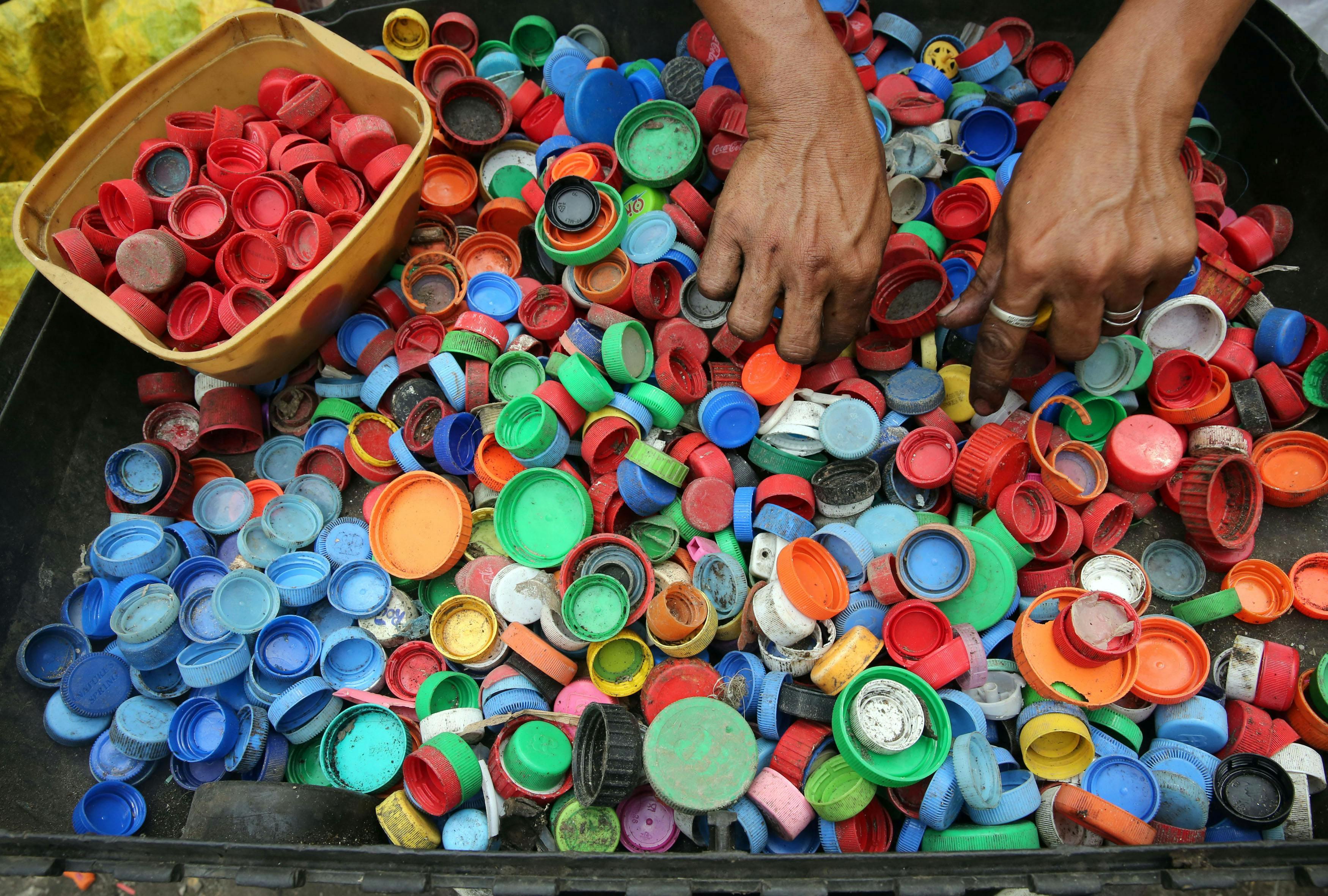
Extended Producer Responsibility (EPR) is a policy mechanism that makes manufacturers, not taxpayers, responsible for the full lifecycle of their products. By shifting end‑of‑life costs and logistics onto producers, EPR accelerates the transition from a “take‑make‑dispose” economy to a circular economy, driving eco‑design, recycling, and waste reduction.
[caption id="attachment_8356" align="aligncenter" width="600"]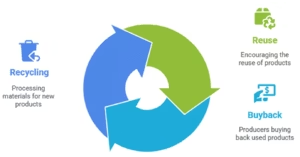 Extended Producer Responsibility (EPR)[/caption]
What is EPR?
At its core, EPR is built on the polluter‑pays principle. Instead of municipalities footing the bill for collection, sorting, and disposal, producers fund and manage these activities. Under EPR:
Extended Producer Responsibility (EPR)[/caption]
What is EPR?
At its core, EPR is built on the polluter‑pays principle. Instead of municipalities footing the bill for collection, sorting, and disposal, producers fund and manage these activities. Under EPR:
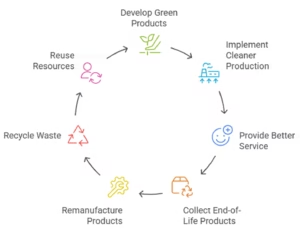 Steps for EPR implementation[/caption]
Designing for circularity means building products with:
Steps for EPR implementation[/caption]
Designing for circularity means building products with:
Extended Producer Responsibility (EPR)[/caption]
What is EPR?
At its core, EPR is built on the polluter‑pays principle. Instead of municipalities footing the bill for collection, sorting, and disposal, producers fund and manage these activities. Under EPR:
- Financial Responsibility: Producers cover waste management costs.
- Physical Responsibility: Producers organize take‑back, reuse, and recycling programs via Producer Responsibility Organisations (PROs).
- Incentivizing Eco‑Design: Manufacturers design products for durability, disassembly, and recyclability.
- Reducing Public Costs: Shifts billions in waste‑management expenses from taxpayers to producers.
- Boosting Recycling Rates: Ensures stable funding for end‑of‑life programs.
- Fighting Plastic Pollution: Provides dedicated resources for collection and processing of hard‑to‑recycle materials.
Steps for EPR implementation[/caption]
Designing for circularity means building products with:
- Modularity for easy repair
- Disassemblability for component recovery
- Recycled Content to reduce virgin materials
- Waste Collection & Sorting
- Recycling & Recovery Operations
- Public Awareness Campaigns
- Eco‑Design R&D
- Fee Collection & Management
- Market Differentiation: Eco‑friendly products command premium pricing and loyal customers.
- Regulatory Compliance: Meets tightening global waste regulations (EU’s Packaging EPR, India’s Plastic Waste Rules).
- Cost Predictability: Stable funding for waste management vs. unpredictable public budgets.
- Innovation Catalyst: Drives R&D in materials, packaging, and reverse‑logistics.
- ESG Performance: Strengthens environmental, social, and governance credentials for investors and partners.
- Social benefits: EPR also plays a social role, offering opportunities to integrate informal workers in the waste sector, improving their working conditions and livelihoods. It aligns with increasing demands for companies to demonstrate awareness of their environmental and societal role.